
Author: Jeremy
5 of the most beautiful river beaches around Quinta do Retiro
Here are 5 of the most beautiful river beaches around Quinta do Retiro, with direct Google Maps links for perfect navigation. They have been selected for their beauty, natural surroundings, and suitability for families.
- Fraga da Pena River Beach (Oliveira do Hospital)
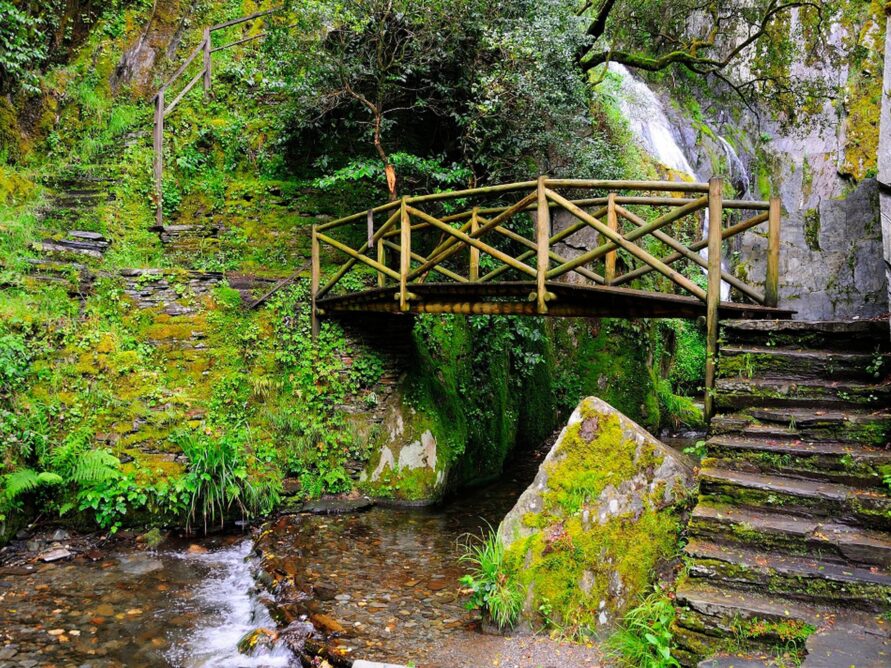
Why it’s beautiful: An enchanting oasis hidden deep in the forest with cascading waterfalls and crystal-clear, greenish pools. It looks like a movie set.
Amenities: Parking, restrooms, changing rooms, a small bar in season, and well-maintained walking paths and steps down to the water.
Google Maps: Fraga da Pena River Beach
Tip: Go early to avoid the crowds. The water can be chilly!
- São Sebastião River Beach (Tábua)
Why it’s beautiful: Not the wildest, but the most complete and family-friendly. Along the wide Rio Mondego, with plenty of grass, shady trees, and a huge, fantastic playground right on the beach.
· Facilities: Excellent: large playground, restrooms, changing rooms, bar/restaurant, sunbathing area, lifeguard in season, sports fields.
· Google Maps: Praia Fluvial de São Sebastião
· Tip: Perfect base for a whole day. Ideal with young children.
- Praia Fluvial do Bogueite (Carvalho)
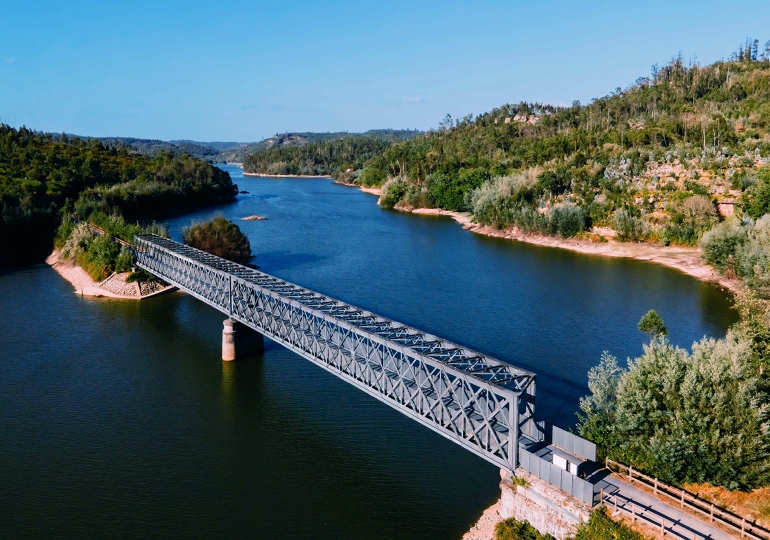
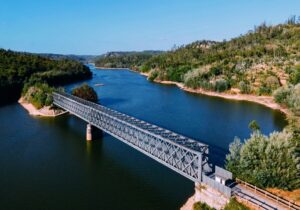
· Why it’s great: A hidden gem at the foot of an old railway bridge (Ponte de Cavalos) over the Rio Alva. It has a certain adventurous feel. The water is clear and there are both shallow and deeper areas.
· Facilities: Basic amenities (sometimes a mobile kiosk), parking. The charm lies in the unspoiled nature and the unique view of the bridge. Google Maps: Bogueite River Beach
Tip: Combine this with a visit to the nearby schist village of Casal de São Simão (3-minute drive).
- Avô River Beach
Why it’s beautiful: Located at the confluence of the Alva and Mondego rivers, in a charming village. It has a small island, plenty of character, and stunning views of the old bridge and church tower.
Amenities: Small bar, restrooms, grassy area, and parking along the road.
Google Maps: Avô River Beach
Tip: After swimming, stroll into the charming village to the central square (Largo do Pelourinho) for a drink.
- Sandomil River Beach (Seia)
Why it’s beautiful: A long, well-organized beach along the fast-flowing Rio Alva, with a mountain backdrop. The water here is often a bit cooler and clearer. Beautiful surroundings.
· Facilities: Good facilities: bar/restaurant, restrooms, changing rooms, sunbathing area, playground, sports field, and lifeguard in season.
· Google Maps: Praia Fluvial de Sandomil
· Tip: Located on the N231, the main road from Seia to Loriga, so easy to combine with a trip to the Serra da Estrela.
Extra Tip: Praia Fluvial de Alvoco das Várzeas
As a bonus, for those who want a spectacular mountain setting:
· Why it’s beautiful: High in the Serra da Estrela, surrounded by immense rock faces and pine forests. The water is icy cold, but the view is unbeatable. Google Maps: Praia Fluvial de Alvoco das Várzeas
General advice: Facilities (bars, restrooms) are often only fully available and open during peak summer (July & August). Outside of that period, the scenery is just as beautiful, but bring your own water and snacks. Enjoy!
5 tips for Kids-friendly activities around Quinta do Retiro
The area around Quinta do Retiro is fantastic for families. It’s safe, spacious, and brimming with nature. Apart from the activities that can be done ON the campsite: here are 5 perfect tips for children aged 5-12 in the region:
- Playing & Swimming at Praias Fluviais (River Beaches)
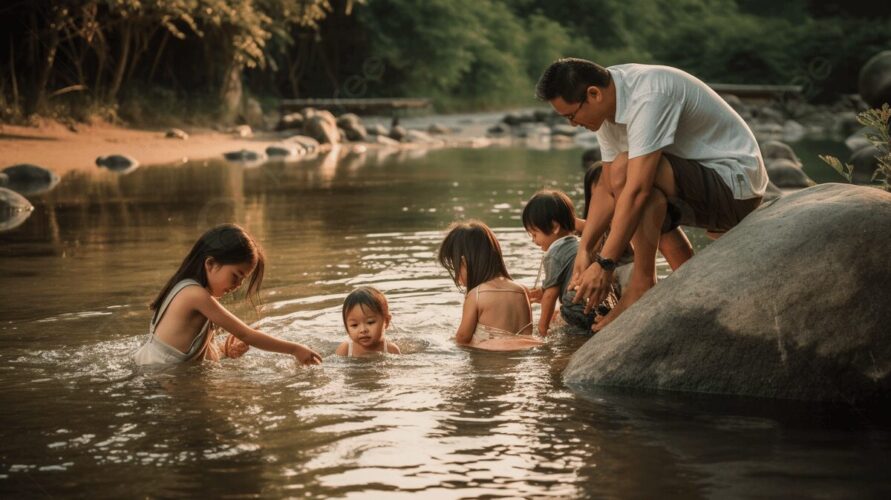
This is an absolute must-see for children in summer. The water is often shallow, clear, and safer than the sea.
Recommendations:
São Sebastião River Beach (Tábua): It has a large playground right on the beach, grassy areas, and a kiosk. It’s a complete and sociable experience.
Avô River Beach: Beautiful surroundings, a small island in the river you can walk to, and a pebbled waterfront. A real adventure.
Fragã da Pena River Beach (Oliveira do Hosp.): The waterfall and pools look like something out of a fairytale. For older children (8+), climbing over the rocks by the water is a great adventure.
· Practical: Bring water shoes for the pebbles. Most have restrooms and a café.
- Adventure on the Paiva Walkways (Passadiços do Paiva)
· What it is: A spectacular 8 km wooden walkway along the raging Paiva River. It’s not the entire route, just a short section.
· Child-friendly option: Park at Areinho or Espiunca. Walk a short distance (1-2 km) back and forth. Along the way, there are places to stop for a dip in the water, balance on rope bridges, and see the cable car (Arouca 516) in the distance. It feels like a jungle expedition.
· Age: Suitable for children 6 and older who can walk a bit. Don’t carry them in a baby carrier, as there are many stairs. Check beforehand whether the access at Areinho is open.
- Visit the Wolf Sanctuary (Centro Lobo de Eiras)
Where: In Eiras, near Mafra (a bit of a drive, but well worth it).
What it is: A sanctuary for Iberian wolves in large, natural enclosures. You can observe the wolves in their packs from trails and viewing platforms.
Why kids love it: It’s exciting and educational. They hear the wolves howl (usually during feeding times) and learn about the importance of conservation. Much more impressive than a zoo.
Practical information: Check the website for feeding times and reservations. A visit lasts 1-2 hours.
- Discover the Interactive Bread Museum (Museu do Pão)
Where: In Seia (at the foot of the Serra da Estrela).
What it is: A modern, interactive museum about the history of bread. It might sound boring, but it’s a hit with kids. Highlights: They can virtually bake their own bread, grind grain, and see a huge collection of bread machines. The best part is the “mini-padaria” where they can shape and bake their own bread under supervision, and then eat it! There’s also a restaurant serving traditional food.
Practical: Perfect for a rainy day or as a change of scenery.
- Play Medieval Knight in a Historic Village
Combine history with fantasy play.
Recommendations:
Linhares da Beira: The gigantic castle is one big playground to explore. Children can run through the towers, walk along the walls, and defend the valley. Perfect for knight and princess play.
Piódão: This blue and white village looks like something out of a fairy tale. For children, it’s a maze of alleys and staircases to explore. Treasure hunt: “Who can find the house with the smallest blue window?”
Practical: Turn it into a treasure hunt. Give them some (toy) binoculars and a simple task (“find 3 coats of arms” or “count the cats”).
Bonus: Water fun in the Serra da Estrela!
· Covão do Conchos Cable Car: From Sabugueiro, you can take the cable car (teleférico) up to the lake. The ride alone is a thrill. At the top, you can walk around and see the mysterious “drainage tunnel” of Covão do Conchos (a kind of natural well in the lake). Very impressive.
· Snow Fun (Winter): In winter, you can sled and sometimes ski on the Torre. Rent sleds at one of the shops.
General Tip: The Portuguese love children. They are welcome in restaurants and cafes everywhere. Most activities are low-tech and about being outdoors and exploring – exactly what makes children happy!
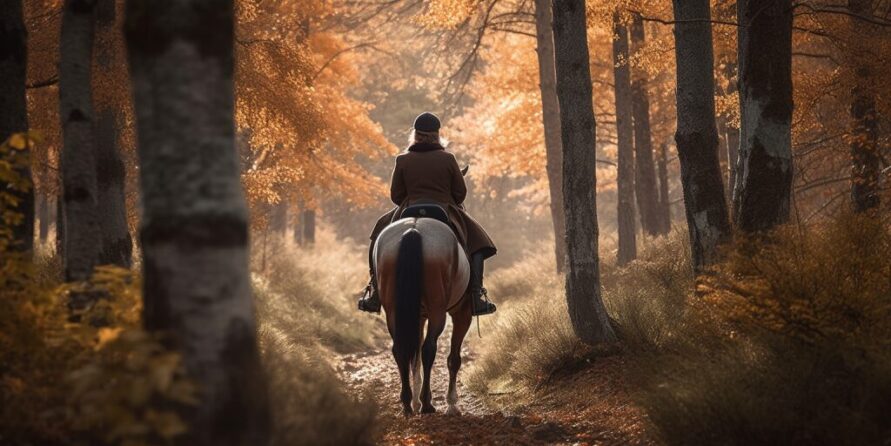
Complete guide for horsebackriding around Quinta do Retiro
Horseback riding is a fantastic way to explore the rugged nature around Quinta do Retiro or the Serra da Estrela and the tranquil valleys around Tábua. Here are three excellent options with contact details.
Important general tip: Always book well in advance, especially during peak season and on weekends. WhatsApp (common in Portugal) is often a quick way to get in touch.
Bonustip: Portugal by Horse Midoes:
“Portugal by Horse” in Midões is indeed a well-known and highly regarded riding school in the region. Midões is a small parish (freguesia) located close to Quinta do Retiro, so it’s ideally located for you.
What it is: A small, personal riding school run by a friendly team (often family-run). This place is known for its relaxed atmosphere and beautiful rides through the typical countryside of the Beira region, with views of the Serra da Estrela.
Activities: They offer trail rides (passeios a cavalo) for all levels, from complete beginners to advanced riders. The rides take you across private estates, through eucalyptus and pine forests, and past olive groves.
Atmosphere: Friendly and personal. You’ll often first receive a short instruction and meet your horse in the paddock.
Contact Information & Online Presence
Here’s the tricky part: “Portugal by Horse” is a classic example of a local business that operates primarily through word-of-mouth and local signage. Their online presence is minimal or outdated.
· Facebook Page: This is their main communication channel. Search for:
· “Portugal by Horse – Midões”
· Link: https://www.facebook.com/PortugalByHorse/ (Check if this is the correct one, with photos of the Midões location).
· Action: Send a direct message (Messenger). This is the fastest and most reliable way to get in touch. Portuguese people actively use Facebook Messenger for business contact.
· Phone Number (Presumably): The following number is sometimes associated with the Facebook page or local listings: +351 912 104 146. It is recommended to contact them first through Messenger and ask for the current number.
· Other listings: They are sometimes listed on tourism platforms like TripAdvisor or Google Maps. Searching for “Portugal by Horse Midões” on Google Maps can yield the exact location.
How to Book: Practical Step-by-Step Guide
- Contact via Facebook: Go to their Facebook page and send a message in English (or use a simple Portuguese translation tool). Inquire about availability for your desired dates.
- Be Flexible: Indicate the number of people and your level of experience. Ask about available times (often mornings or late afternoons).
- Confirmation: They will likely confirm all details via Messenger. If necessary, ask for the exact address or a “ponto de encontro” (meeting point).
- If Facebook Fails:
· Ask Locally: Go to the Tourist Office (Turismo) in Oliveira do Hospital or Tábua. They will undoubtedly know the riding school and can give you the phone number or even call it for you. Telephone: Turismo Oliveira do Hospital: +351 238 605 400
Conclusion & Why Choose Portugal by Horse?
This is the perfect choice if you want an authentic, non-commercial, and peaceful horseback riding experience in the heart of the countryside, close to your accommodation. It’s not a large resort, but rather the charm of a local quinta.
Good luck making contact, and enjoy the ride through the hills of Midões.
Furthermore in the region:
- Cavalos da Neve – For Mountain Trekking in the Serra da Estrela
· Where: Located in São Paulo (Loriga), in the heart of the Serra da Estrela. Offers the most spectacular mountain scenery.
· Activities: Organized horse treks through the mountains, valleys, and along rivers. Treks for all levels, from beginners to advanced. Contact:
Website: https://cavalosdaneve.com/
Phone: +351 915 595 990 (João)
Email: geral@cavalosdaneve.com
Facebook: Very active on Facebook Messenger.
Why recommend: This is the specialist for real mountain hikes with stunning views. The guides know the area very well.
- Paço da Serra – Equestre & Nature Hotel
Where: In Vide, between Seia and Oliveira do Hospital. This hotel is dedicated to horseback riding, so it’s perfect for a multi-day stay or a day trip.
Activities: Daily rides, multi-day treks, lessons. Horses are of the Portuguese Sorraia breed. Suitable for all levels. The property also has a restaurant and swimming pool. Contact:
Website: https://pacodaserra.com/
Phone: +351 238 408 158 (reception) / +351 965 590 940 (equestrian department)
Email: info@pacodaserra.com
Why recommend: Very professional and comprehensive setup. You don’t need to be a guest to book a ride. Ideal if you’re looking for a high-quality, hassle-free experience.
- Quinta do Crestelo – Horseback Riding at the Foot of the Serra
Where: In Torrozelo, near Carregal do Sal (about a 30-minute drive from Tábua). A traditional quinta (farm) with horses.
Activities: Offers “Passeios a Cavalo” (horseback rides) through the local forests and hills with stunning views of the Serra da Estrela. A personal and relaxed atmosphere. Contact:
Facebook Page: Search for “Quinta do Crestelo – Passeios a Cavalo” (this is their primary communication channel).
Phone: +351 912 333 437 / +351 965 260 917
Email: quintadocrestelo@sapo.pt
Why recommend: Authentic and friendly experience on a family farm. Often more flexible for shorter or personalized rides. Communicate by phone/WhatsApp or Facebook.
Practical Tips for Booking & Riding:
- Level: Be clear about your experience level (beginner/advanced) when booking so they can choose the right horse.
- Clothing: Wear sturdy, closed-toe shoes (e.g., hiking boots) and long pants. Most places have helmets, but to be safe, bring your own if you have one. 3. Time & Weather: Early morning or late afternoon is most pleasant, especially in summer. Ask about the mountain weather forecast.
- Payment: Ask about the payment method (cash, MBWay, or bank transfer) and whether a deposit is required.
- Local Advice: The Tourist Office (Turismo) in Oliveira do Hospital may know other local riding stable owners who aren’t as active online.
· Telephone: Turismo Oliveira do Hospital: +351 238 605 400
Conclusion: Closest option: Choose Portugal by Horse. For an epic mountain ride, choose Cavalos da Neve. For a luxurious, all-in-one riding experience, choose Paço da Serra. For a cozy and personalized ride from a farm, choose Quinta do Crestelo.
Boa cavalgada! (Have a nice ride!)

5 tips for watersport, Kayak & Canoe around Quinta do Retiro
The region around Quinta do Retiro (Tábua and Oliveira do Hospital) with its rivers, reservoirs, and proximity to the Serra da Estrela, offers a surprising number of water sports opportunities. Kayaking and canoeing are very popular here. Here are 5 recommendations & contacts:
- Kayaking on the Reservoirs (Barragens) – Peaceful & Scenic
Where: The large reservoirs are perfect for relaxing trips.
Barragem da Aguieira: A huge lake on the border of three rivers (Mondego, Dão, and Alva). Calm waters, beautifully surrounded by hills. Ideal for a day trip with a picnic.
Barragem de Santa Luzia: Closer to Tábua, smaller and more intimate.
What to do: Gentle paddling, birdwatching, swimming from your kayak. Perfect for families and beginners.
Practical: You usually need to bring your own equipment or rent it in larger cities (Coimbra, Viseu). Sometimes there are local rental companies at recreational areas; inquire at the tourist office.
- River Descent on the Rio Alva or Mondego (Tours & Rafting)
· Where: The upper reaches of the Rio Alva (upstream from Oliveira do Hospital) and parts of the Rio Mondego offer more exciting water.
· What to do:
· Organized Rafting/Kayaking Tours: Companies from Seia or the Serra da Estrela offer rafting (more whitewater) and guided river descents in canoes or kayaks. This is the best and safest way for adventure.
· Self-guided Tour (for experienced kayakers): Research the route thoroughly! Water levels can vary considerably.
· Practical: Search for “Rafting Serra da Estrela” or “Descida do Alva” for providers. These often include transportation, equipment, and a guide.
- Canoeing through the Schist Villages – Combining Culture & Nature
· Where: A unique way to explore the Aldeias do Xisto is from the water. Some villages are located on rivers.
· Sample route: A trip on the Rio Zêzere (a little further away, in the Serra da Estrela) offers views of dramatic landscapes. At Piódão, you can paddle in the nearby rivers.
· What to do: Plan a leisurely canoe trip to a schist village, combined with hiking and a local lunch.
· Practical: This usually requires your own boat transport. Inquire locally about possible access points.
· 4. Stand-Up Paddleboarding (SUP) at the River Beaches
· Where: On the calmer sections of the rivers and at the river beaches.
· Praia Fluvial de S. Sebastião (Tábua): Perfect, flat, and accessible water.
· Praia Fluvial de Avô: Where the Alva and Mondego rivers meet, a beautiful setting.
· What to do: SUP is ideal for learning, relaxing, and seeing the landscape from a new perspective. It’s also great for a yoga session on the board.
· Practical: You’ll most likely need to bring your own SUP board. During peak season, rentals are sometimes available at the larger beaches (ask at the beach bar).
- Canyoning & Coasteering in Mountain Streams
· Where: In the tributaries and gorges of the Serra da Estrela (e.g., near Manteigas or Seia).
· What to do: This is the ultimate adventure water sport. It’s not kayaking, but a combination of hiking, climbing, jumping, abseiling, and swimming through spectacular mountain streams and waterfalls.
· Practical: ALWAYS do it with a certified guide! There are specialized companies in the Serra da Estrela that provide equipment and guidance. Requires good physical condition and a good sense of water.
Essential Practical Tips:
· Rentals & Guides: Find providers in Seia or Manteigas. Ask at the Tourist Office in Oliveira do Hospital for the latest contacts for boat rentals or tours.
· Water Level: Water levels are crucial, especially in rivers. In late spring (meltwater), the water is higher and rougher, while in late summer it’s often lower and calmer.
· Safety: Always wear a life jacket and check the weather forecast. Winds can pick up suddenly on reservoirs.
· Combination: Most water sports locations are also perfect for swimming and picnicking.
Conclusion: For relaxed kayaking or SUPing, choose the reservoirs or river beaches. For an adventurous, guided trip on flowing water, head to the Rio Alva or book a canyoning tour in the Serra da Estrela. Have fun on the water!
Here are the websites and contact details of reliable, established companies in the region that organize water sports activities. Important: Opening times and offerings may vary depending on the season, so always contact them in advance or book online.
- For Rafting, Kayaking & Canyoning (Serra da Estrela & Rio Alva)
These companies specialize in river adventure activities and operate from the Serra da Estrela, close to your area.
· Portugal Rafting (Manteigas)
· Activities: Rafting, hydrospeed, canyoning, and kayaking on the Rio Zêzere and Mondego rivers.
· Website: https://portugalrafting.com/
· Phone: +351 966 782 623
· Note: Very professional and one of the largest providers in the natural park.
· Nevisport Portugal (Seia)
· Activities: Rafting, canyoning, kayaking, and more. Website: https://www.nevisport.pt/
Phone: +351 919 702 932
Note: Located in Seia, on the northern side of the Serra, perfect for trips on the upper reaches of the rivers.
Água Montanha Lazer (Gouveia)
Activities: Canyoning, Rafting, Orienteering.
Website: https://aguamontanha.com/
Phone: +351 913 453 219
Note: Smaller and personal company, operating in the central Serra.
- For Quiet Kayaking & SUP on Reservoirs
For the quieter lakes, you often have to look a little further for rental companies or tour providers.
Kayak Montanha (Vila Nova de Tazem, near Gouveia)
Activities: Guided kayak tours on the Serra da Estrela reservoirs (e.g., Barragem da Lagoa).
Facebook Page: Search for “Kayak Montanha” (active on social media).
Phone: +351 925 576 823 (contact via Messenger or phone is recommended).
Note: Specializes in kayaking, less so in extreme whitewater.
Clubs & Local Rentals (Tábua/Oliveira do Hospital):
Canöc – Clube de Canoagem de Oliveira do Hospital:
This is the local canoe club. They organize trips and are knowledgeable about the rivers (Alva, Mondego) in the area.
Contact: Find them on Facebook (“Canöc Oliveira do Hospital”). They can often refer you to rentals or join an organized tour.
· Municipality of Tábua (Municipality):
· The Tourist Office (Posto de Turismo) in Tábua can provide the most up-to-date information on who rents kayaks or SUPs at Praia Fluvial de S. Sebastião during the summer months.
· Municipality website: https://www.cm-tabua.pt/
· Tourist Office phone: +351 235 410 300 (ask for “Turismo”).
- Most Reliable Source for Up-to-Date Information: Porta da Estrela
· What: The official tourist information center for the Serra da Estrela region. They have an extensive database of all recognized activity providers. Website: https://portadaestrela.pt/
Navigation: Go to the website, click on “Where to Go” and then on “Activities & Experiences.” Choose filters like “Aquatic Sports” or “Aventura.”
Why it’s useful: Here you’re guaranteed to find active and reliable companies with contact information.
Practical Search Tips for the Road:
- Google Maps: Search near the reservoirs (Aguieira, Santa Luzia) or in villages like Seia, Manteigas, or Gouveia for:
· aluguer kayak (kayak rental)
· passeio de barco (boat trip)
· atividades náuticas (water sports activities) - Ask Locally: At the reception of your accommodation, in a local café, or at the Tourist Information Office in Oliveira do Hospital (+351 238 605 400), they can often call someone directly or provide the latest brochure.
Safety Tip: For organized adventure activities (rafting, canyoning), always use a reputable company with certified guides, such as the companies mentioned. For calm lakes and rivers, local rental companies and associations are perfect.
Have fun and sail safely!
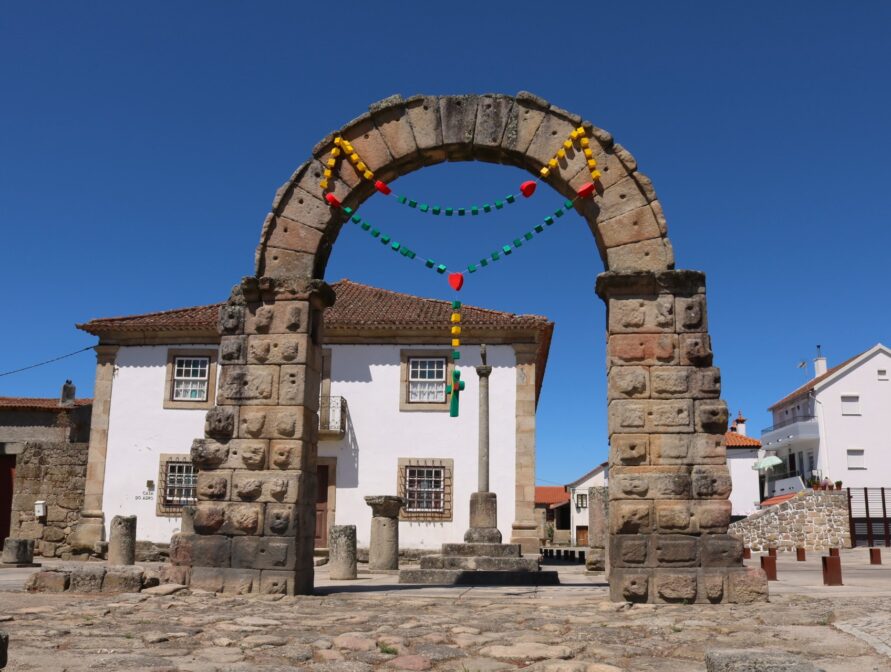
The most beautiful and important Roman remains around Quinta do Retiro and Bobadela
The region around Quinta do Retiro may not be Portugal’s largest and most spectacular Roman site (such as Conímbriga or Évora), but it does boast fascinating and authentic remains, particularly those related to the old Roman road that ran through the mountains. And the gem of Bobadela:
Here are the most beautiful and important Roman remains around Quinta do Retiro
- Conímbriga (The Absolute Top)
What it is: The most important and best-preserved Roman ruined city in Portugal. Located about 60 km southwest of Quinta do Retiro, near Coimbra, it’s an absolute must-see for any Roman history enthusiast.
Highlights: Fantastically preserved mosaic floors (some still in situ), the ruins of houses and a forum, impressive late-period city walls, and beautiful gardens reconstructed as they were in Roman times.
Practical information: Plan on at least 2-3 hours. Combine your visit with the excellent on-site museum. It’s a perfect day trip from Quinta do Retiro.
- The Roman Bridge of Bobadela (Ponte Romana de Bobadela)
What it is: An excellently preserved Roman bridge in the historic village of Bobadela (about a 15-minute drive north of Oliveira do Hospital).
Highlight: The bridge is still in use for local traffic. Its perfect arch and robust construction are a beautiful example of Roman civil engineering. The village of Bobadela itself also has an interesting Roman heritage, including a monument that was probably a mausoleum or milestone.
Practical: Easy to reach. Stop for a moment, walk across the bridge, and explore the small, charming village.
- The Roman Road (Geira) and Milestones in the Serra da Estrela
What it is: The old Roman road that ran from Mérida (Spain) to Braga crossed the Serra da Estrela. Sections of this road and several milestones (millarium) can still be found in the area.
Locations: A significant concentration is found around São Romão and Loriga (on the south side of the Serra da Estrela, a little further away). The road was used to transport gold from the mines in the region.
Practicalities: This is more for the adventurous and interested seeker. It is not an excavated site, but a historical trail in the landscape. Hikers can walk sections of the old path. Information signs (in Portuguese) sometimes point the way.
- The Archaeological Museum of Tábua (Museu Municipal de Tábua)
What it is: A small but excellent local museum showcasing the history of the region.
Roman connection: Finds from the Roman period in the area, such as pottery, coins, and tools, are preserved and exhibited here. This provides context and proves that the area was indeed inhabited and used in Roman times. Practical: A good starting point for an overview. Check opening hours in advance.
- The Roman Villas (Villae) of the Region
What it is: Remains of Roman villas (farms) have been found scattered throughout the countryside. These are often not spectacularly excavated or exhibited, but are sometimes indicated.
Example: Traces of such villas have been found near Arganil (southwest of Tábua). It’s more about the knowledge that the landscape was designed this way.
Recommendations for your visit:
- Priority 1: Take the day trip to Conímbriga. This is by far the most impressive and rewarding Roman site in the entire Central Portugal region.
- Priority 2: Visit the Roman bridge of Bobadela. It’s nearby, authentic, and combines perfectly with a visit to the beautiful village and lunch nearby. 3. For the seasoned enthusiast: From Oliveira do Hospital, take a drive to the Serra da Estrela and look for traces of the old Roman road near Loriga or São Romão. Combine this with a hike in the mountains.
Important context: The Romans were primarily interested in this mountainous region for its mineral wealth (gold, tin) and transit routes (such as the road over the Serra da Estrela). Therefore, you will find traces of infrastructure and rural life.
Why the town of Bobadela is so special:
Bobadela is an absolute gem! It’s not an open-air museum, but a lively, small village with exceptionally well-preserved Roman heritage seamlessly integrated into the streetscape. A visit feels like a journey back in time.
Here’s what to expect and why it’s worth it:
The Atmosphere of Bobadela
Bobadela has the status of “Aldeia Histórica” (Historic Village), and you’ll immediately feel it. It’s compact, peaceful (except during the annual festival), and made of granite. Best of all, the Roman and medieval heritage here isn’t behind fences, but is part of the village.
Highlights to See
- The Roman Bridge (Ponte Romana):
· The iconic arch bridge over the River Alva. Walk across it and admire its perfect, dry masonry construction. It’s astonishing that it’s still in daily use after 2,000 years. 2. The Roman Milestone/Mausoleum (Padrão dos Povos):
· This is the mysterious monument in the center. It is a granite pillar with inscriptions. Experts debate whether it was a milestone on the Via Militaris (Roman road) or a mausoleum for an important family. The inscriptions honor the indigenous people (“Povos”) who helped the Romans. It symbolizes the blend of cultures. - The Archaeological Site and Interpretation Center:
· The foundations of Roman buildings have been uncovered around the monument. Information panels (also in English!) have recently been installed explaining the history. This makes the visit much more accessible.
· You can see the plans of what was probably an important Roman forum or square. 4. The Medieval Heritage:
Pelourinho (Pillory): The 16th-century symbol of municipal autonomy, located in the main square (Largo do Município).
Igreja Matriz (Parish Church): Located in the same square, with later (Renaissance/Baroque) architecture, but possibly built on earlier foundations. - The Gate (Portas da Vila):
The stone gate that marks the old entrance to the fortified village. It gives an idea of what Bobadela looked like in the Middle Ages.
Practical Tips for Your Visit
Time: Allow 1 to 1.5 hours for a leisurely visit. Perfect for a stopover.
Parking: Park at the village entrance (there are small parking lots) and walk. The village is very small and best explored on foot.
Pair with: Lunch or dinner. There are a few simple but good local restaurants (tascas) in and around Bobadela where you can sample the regional cuisine. Restaurante “A Loja” is a classic.
· Photogenic: It’s a beautiful village for photography, especially in the soft light of the morning or late afternoon.
· Visitor Center: Inquire if the small interpretation center is open; it can provide more context.
Why Bobadela is Special
While Conímbriga is an “archaeological site,” Bobadela is a “living monument.” Here, you can walk across the same bridge as the Romans, see a monument between the houses, and feel how history has added layers without erasing the past. It’s intimate, authentic, and very serene.
Conclusion: Bobadela is a must-see for anyone in the region interested in history. It proves that you don’t always have to visit the largest ruins for an authentic Roman experience. It’s perfect to combine with a visit to the ‘oliveoil museum’, a drive through the Alva Valley or a visit to Oliveira do Hospital.
Combine your interest in history with the beautiful landscape, and it will be a truly special trip!
Complete guide to fishing in the area of Quinta do Retiro
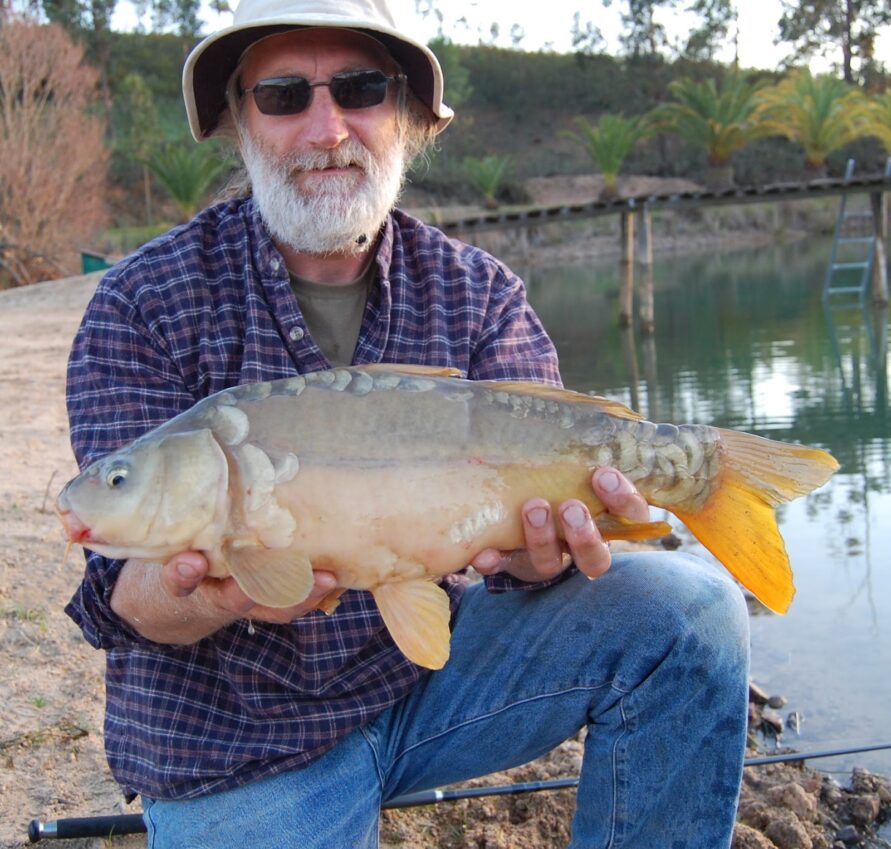
The region around Tábua and Oliveira do Hospital is a popular fishing destination, especially because of its fast, clear mountain rivers and large reservoirs. It is one of the top trout fishing areas in Portugal.
Here is a complete guide to fishing in the area:
Main Fishing Waters & Species
· Rio Mondego and its tributaries (Alva, Ceira, Alhôa): This is a trout fisherman’s paradise. The upper reaches of the Mondego, especially the stretch upstream from Oliveira do Hospital, are known for their wild and fast currents, ideal for brown trout (truta). Fly fishing is very popular here.
· Reservoirs (Barragens): Perfect for big game fishing.
· Barragem da Aguieira: One of the largest in the region. Here you’ll find zander (black bass), eel (enguia), bream, carp, and perch. Boat fishing is very effective here.
· Santa Luzia Barrage: Closer to Tábua. Good for carp, bream, and zander.
· Fronhas Barrage & Caldeirão Barrage: Other good options nearby.
Regulations & Permits
The most important things to arrange before you go fishing:
· National Fishing License (Licença de Pesca): Required for everyone over 14 years old. Can be easily purchased online at the ICNF (Institute for Nature Conservation) Portal da Pesca. Select “Licença Nacional”.
· Specific Permit for the Fishing Area (Peixe à Linha): For most rivers and lakes in this region, you are subject to the “Regulamento da Pesca às Águas Interiores do Norte e Centro” (Fishing Regulations for the Interior Waters of North and Center). You must purchase a permit for the specific fishing area (Zona de Pesca) on the same website. In this case, it’s probably Zona do Norte e Centro. Read the associated regulations carefully (closed seasons, minimum sizes, catch limits).
· Closed Season (Defeso): There is a closed season for brown trout, usually from March 16th to May 31st (always check the Portal da Pesca for the exact year!). During this period, trout fishing is strictly prohibited to protect the spawning season.
Top Fishing Locations
Rio Alva near Avô: Beautiful location where the Alva and Mondego rivers meet. Good for trout and barbel. Easily accessible.
Upper reaches of the Rio Mondego near Videmonte: Higher elevation, cold water, and challenging conditions, perfect for the dedicated trout angler.
Fragão da Pena River Pool: The natural pool itself is often closed for fishing, but the upstream and downstream sections offer good opportunities. A fantastic spot for fishing.
Barragem da Aguieira: For the added value of boat fishing and chasing zander. There are spots from the shore, but a boat offers many more options.
Practical Tips & Local Knowledge
· Equipment Rental/Buying: In cities like Coimbra or Viseu, you’ll find tackle shops. In the smaller villages themselves, supplies are limited. Bring your own basic equipment or plan a visit to a larger city at the beginning of your trip.
· Local Guides: Consider a local fishing guide for a day. They know the best spots, have the right permits, and know which bait works at any given moment. This is the fastest way to success, especially in the rivers.
· Be Prepared: In the mountains, the weather changes quickly. Waterproof clothing and boots or good waders are recommended. The terrain can be rough and slippery.
· Respect for Nature: The “Leave No Trace” principle applies doubly to anglers. Take all your rubbish with you, including fishing line and hooks.
Additional Activities & Addresses
Tourist Offices (Posto de Turismo): Ask in Oliveira do Hospital or Tábua for the latest local information about fishing spots and any local competitions.
Combine with Other Activities: Many of the beautiful river beaches (such as São Sebastião in Tábua) are also excellent fishing spots. You can perfectly combine a morning of fishing with a family picnic on a river beach.
Conclusion: Whether you’re an experienced fly fisherman searching for the perfect trout in the mountain streams or an angler targeting carp from the shores of a large lake, this region has it all. Be sure to arrange the necessary permits online before you cast your first line. Good luck and have fun!
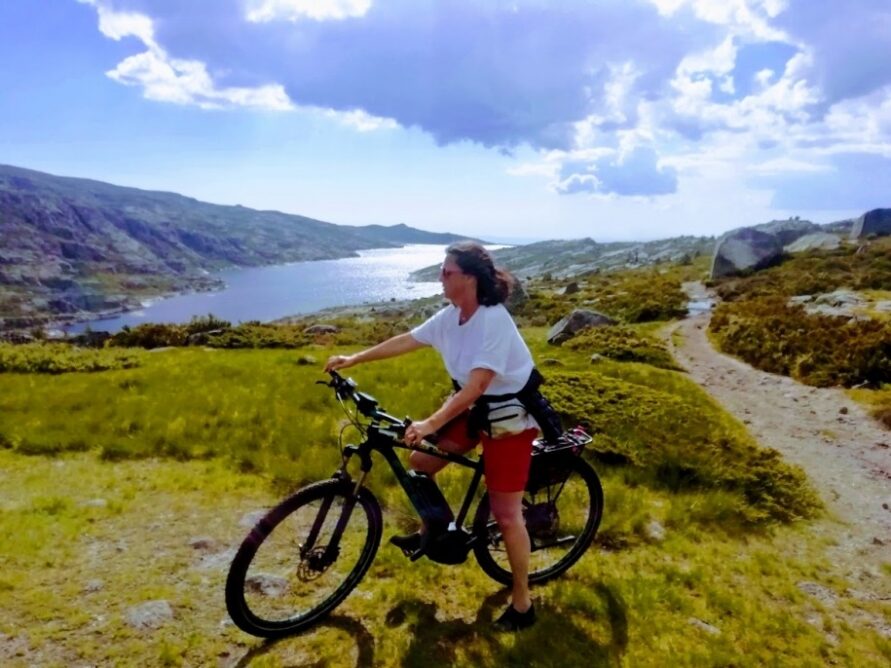
5 great tips for cyclists at Quinta do Retiro
This region is a true paradise for cyclists, from challenging mountain passes in the Serra da Estrela to quiet roads through villages and along rivers. Here are 5 great tips for cyclists:
1. The Iconic N2 (Estrada Nacional 2) – For the Road Cyclist
What it is: The famous “Route 66 of Portugal,” which runs north-south across the country. The section between Oliveira do Hospital and Lamego is breathtakingly beautiful.
Route: You’ll cycle on a well-maintained road with constantly changing views: deep river valleys (Rio Alva, Rio Mondego), vineyards of the Dão region, and mountain ranges. It’s a serious, long climb and descent.
Practical: Choose a section that suits your fitness level. It’s ideal for a long, sporty road ride. Traffic is generally light, but be alert on the bends. There are plenty of small villages along the way where you can refill your water.
2. MTB in Serra da Estrela – For Mountain Bikers
What it is: An extensive network of unpaved and gravel roads through the natural park. Challenging climbs and technical descents guaranteed.
Route: A classic and accessible ride is the route around Covão da Ametade. Start, for example, in Sabugueiro (the highest village) and cycle along gravel roads to the idyllic green lake. The landscape is rugged and majestic.
Practical: Make sure you have a good MTB or gravel bike. Weather conditions can change quickly. There are marked routes (many are available on apps like Komoot or Trailforks). Consider a local guide for the best singletrack.
3. The Ecopista do Dão – For All Levels (Families & Leisurely Tourists)
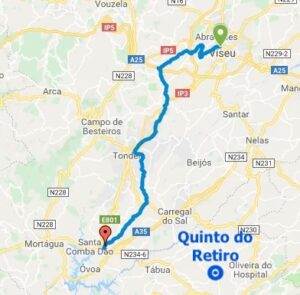
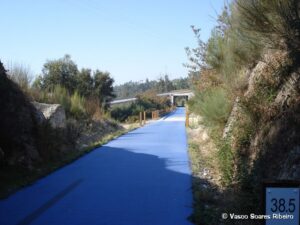
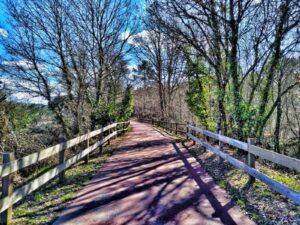
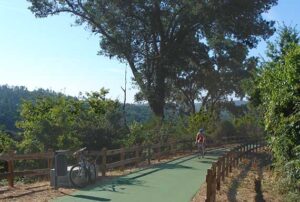
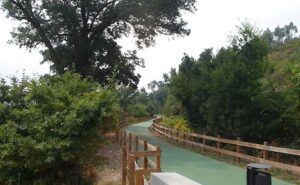
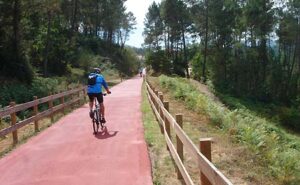
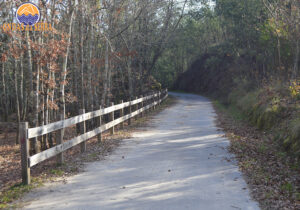
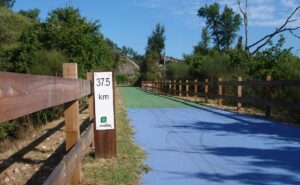
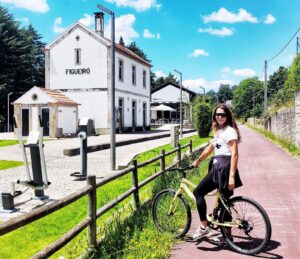
What it is: A former railway line converted into a flat, paved bike path of almost 50 km, perfect for a relaxed bike ride. Route: The trail runs from Viseu to Santa Comba Dão, through a beautiful landscape of pine forests, vineyards, and riverbanks (Rio Dão). You can hop on and cycle anywhere. It is completely car-free.
Practical: The southernmost point (Santa Comba Dão) is about a 20-minute drive from Quinta do Retiro. Rent bikes at one of the starting points (e.g., in Viseu or Tondela) or bring your own. Perfect for a day of cycling and picnics. For transport to Viseu & bike rental we recommend Abelenda Bike rental in Santa comba Dao: https://www.quintadoriodao.com
4. Schist Villages & River Valleys Tour – For the Adventurous Touring Cyclist
What it is: A custom-designed route along secondary (and sometimes unpaved) roads that connects the most beautiful villages and river beaches. Example route: Start in Oliveira do Hospital, cycle to the river beach of Fraga da Pena, climb up to the schist village of Casal de São Simão, and descend to Avô for a break at the square. Return via other small roads. It’s a mix of climbs, descents, and beautiful views.
Practical: A gravel bike or touring bike with slightly wider tires is ideal here. Use a route planner like Komoot or Strava to create your own route, or ask local bike rental companies for suggestions.
5. The Reservoirs Route (Barragens) – For a Quiet, Scenic Ride
What it is: A route along the region’s artificial lakes, which are often surprisingly beautiful and surrounded by quiet roads.
Route: Combine a visit to the Albufeira da Barragem de Santa Luzia (recreational area) and the larger Barragem da Aguieira. The surrounding roads are quiet, and the views over the water, surrounded by hills, are fantastic.
· Practical: Ideal for a half-day trip. There are often few to no facilities directly on the lake, so bring plenty of water and food.
Essential Practical Tips for Cyclists Here:
· Rental & Repair: You can find bike rentals in larger towns like Seia or Viseu. Inquire at the Tourist Office (Turismo) in Oliveira do Hospital or Tábua for local providers.
· Climate: Be prepared for significant elevation changes. It’s considerably cooler in the Serra da Estrela. Always wear sunscreen.
· Traffic: Secondary roads are quiet, but be careful on the winding N-roads. The Portuguese drive sportily but are generally respectful of cyclists.
· Water: Always bring more water than you think you need, especially on climbs. Refill at each village. Support: For serious mountain bikers or road cyclists unfamiliar with the region, it might be worthwhile to spend a day with a local guide/rental company to discover the best routes and gain insider knowledge.
Find more biking tours at our partner Komoot: https://www.komoot.com/user/quintadoretiroparcampismo
Have fun on two wheels in this beautiful region!
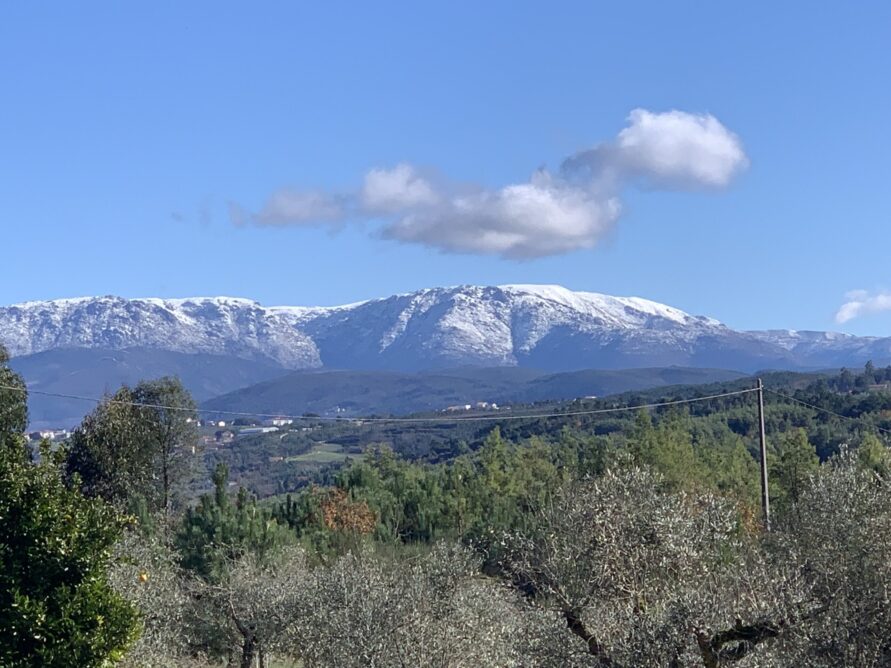
5 excellent hiking tips around Quinta do Retiro
The area is perfect for hikers, with a mix of mountain trails, river valleys, and historical routes. Here are 5 excellent hiking tips:
BONUS TIP: The management of Quinta do Retiro has very nice local circular walks of about 4-6km. Just ask 🙂 Enjoy the real Portugal and this beautiful environment!
- PR1 SER – Rota da Torre (Serra da Estrela)
What it is: The classic hike to the highest point on mainland Portugal. An unforgettable, yet challenging route.
Route: Usually starting at Penhas da Saúde. The trail is well-marked and leads over granite plateaus, past glacial lakes (such as Lagoa do Vale do Rossim), and finally to the Torre.
Practical information: Approximately 14 km (round trip). Elevation gain of approximately 450m. Make sure you have good hiking boots, water, warm clothing, and protection from the sun/wind. Avoid hiking in poor visibility or during periods of icy conditions.
- Trilho das Aldeias do Xisto – Rota do Piódão (Piódão Circular Trail)
What it is: A beautiful, certified trail that connects several schist villages. You’ll experience the essence of this historic area.
Route: A circular trail that starts in Piódão, passes through the village of Foz d’Égua (with its iconic stone bridges and river beach), and returns.
Practical information: Various distances are possible (e.g., the shorter route to Foz d’Égua and back is approximately 7 km). Average difficulty. Perfect for combining with a visit and lunch in Piódão.
- Trilho da Fraga da Pena (Oliveira do Hospital)
What it is: A shorter, enchanting walk to one of the most beautiful river beaches in the region. Route: Starts at the Fraga da Pena River Beach parking lot. The well-maintained path descends through a lush forest of laurel trees, mosses, and ferns to the spectacular waterfall and crystal-clear pools.
Practical information: Very short (less than 1 km one way), but steep on the return trip. Perfect for a refreshing afternoon. Ideal for families. Bring a swimsuit!
- Linhares da Beira Hiking Trail
What it is: A loop around and through one of Portugal’s most beautiful historic villages, with breathtaking views.
Route: Starts in the village of Linhares da Beira (near the castle). The route takes you along old donkey and shepherd paths around the village, with constant views of the imposing castle and the Serra da Estrela in the background.
Practical information: Usually about 10-12 km. Intermediate difficulty. Combine culture (visit the castle) with nature. There are often several marked trails (PR) starting from the village.
- Trilho da Volta do Rio (Avô)
What it is: A friendly and picturesque walk along the Alva River, in one of the most charming villages in the region.
Route: Starts in the center of Avô, at the old bridge. The path follows the banks of the Alva River, through orchards and beautiful river landscapes, and returns via the other bank. Along the way, you’ll see old watermills.
Practical information: Approximately 5-6 km. Very slight elevation gain, so suitable for all levels. Afterwards, you can relax on a terrace in the beautiful square (Largo do Pelourinho).
General hiking tips for the region:
Apps & Maps: Download the “Wikiloc” app or use detailed maps (OpenStreetMap is good). Official hiking trails are marked with colored lines (PR = Pequena Rota).
Apps & Maps: Download the “Wikiloc” app or use detailed maps (OpenStreetMap is good). Official hiking trails are marked with colored lines (PR = Pequena Rota). Preparation: Bring plenty of water and snacks, even for shorter hikes. Mountain weather can change quickly.
Start early: Especially in summer, it’s wise to leave early to avoid the heat.
Local Insight: Ask at the local tourist office (posto de turismo) in Oliveira do Hospital or Tábua for the latest hiking maps and trail conditions.
Enjoy hiking in this beautiful and diverse region!